Argentina

The tricky part about planning a trip to Patagonia is deciding where to go. The distances are enormous, and although some of the region's most famous attractions are relatively close to one another, others require an extra flight, a long bus journey or several days on the road. It is tempting to try to squeeze everything into one trip, but Patagonia is a destination where it pays to slow down and leave yourself some flexibility for the weather.
There are countless areas to explore and things to see in Patagonia, but these are the most impressive ones in my opinion, and what I would add to every itinerary.
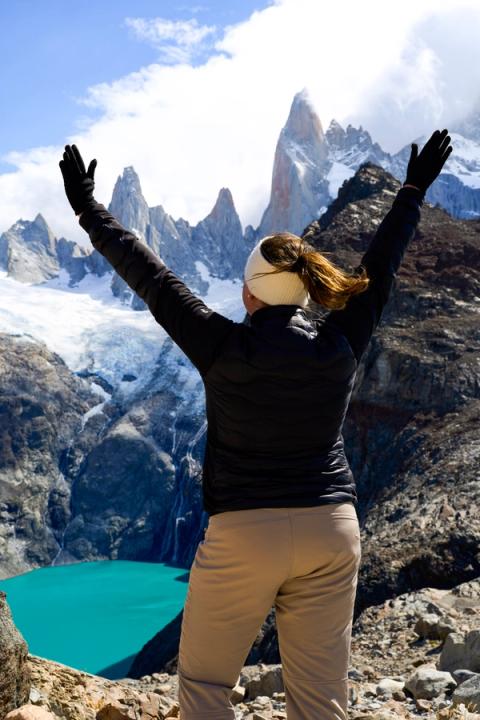
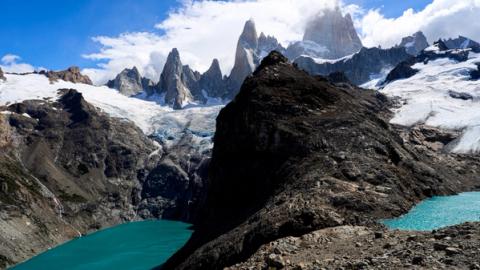
If there's one place I'd recommend to anyone who loves hiking, it's El Chaltén. It’s often called Argentina's trekking capital, and is surrounded by some of Patagonia's most recognisable scenery. The star of the show is the famous Mount Fitz Roy which is even more breathtaking in real life.
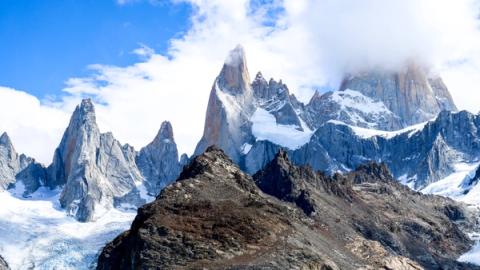
The hike to Laguna de los Tres is the main reason many visit El Chaltén. The trail takes you through forests, past rivers and across open mountain landscapes before reaching the final, steep climb to the lagoon. On a clear day, the reward is an incredible view of Fitz Roy behind the turquoise water of Laguna de los Tres.
It's a challenging full-day hike, particularly during the final ascent, but it's one of those experiences that makes all the effort worthwhile. You don't have to tackle the entire trail to enjoy the area, either. Laguna Capri offers a shorter alternative with beautiful views of Fitz Roy if a 10 hour hike is too demanding for you.


I always set up an eSIM before flying so I'm connected the moment I arrive. Compare the best plans from Airalo here.
The hike to Laguna Torre is my second favourite hike in El Chaltén if you want to experience Patagonia's dramatic mountain scenery. It’s a long hike, but still considerably easier than the hike to Laguna de los Tres.
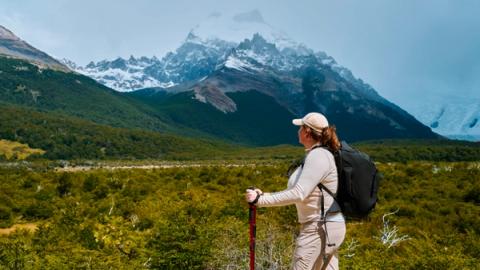
The trail takes you through forests, across open valleys and alongside the Río Fitz Roy, with views of the surrounding mountains along the way. After roughly 9 km, you'll reach Laguna Torre, a glacial lake with spectacular views of Cerro Torre, one of Patagonia's most distinctive peaks. Just be aware that this area is famously known for its dense cloud cover, so you’ll be very lucky if you get to see the mountain peaks without clouds. I didn’t, but I still think the hike was worth it.

Browse the best hotels, guesthouses, and boutique stays here.
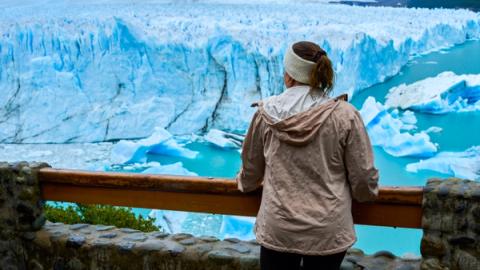
Seeing a glacier up close is one of the essential Patagonia experiences, and the Perito Moreno Glacier is among the most impressive things I’ve ever seen.
One of the best things about visiting Perito Moreno is that you don't need to be an experienced hiker to appreciate it. The boardwalks offer different viewpoints, allowing you to see the glacier from several angles, and you can spend hours watching the ice and waiting for chunks to break off into the water below.
If you'd like to get closer, boat excursions take visitors towards the glacier's face, while guided ice-trekking experiences allow you to walk on the ice itself. These activities depend on availability and conditions, so it's worth arranging them in advance during the busy summer season.
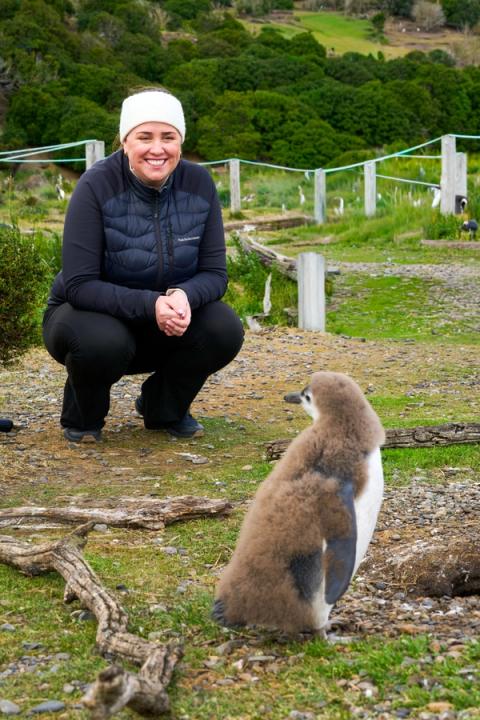
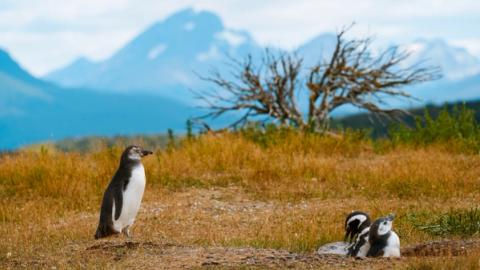
Patagonia isn't just about mountains and glaciers, you can also get some amazing wildlife experiences here. During my time in Patagonia I was lucky enough to see mountain lions, sea lions and plenty of birds, but my favourite experience was by far to walk with wild penguins on Martillo Island.


Watching the penguins waddle around just a few feet away from me is one of those experiences that I’ll always remember.
It took a huge chunk out of my budget, but I personally thought it was worth every penny. I’ve always wanted to see penguins in the wild and this everything I hoped for and more.
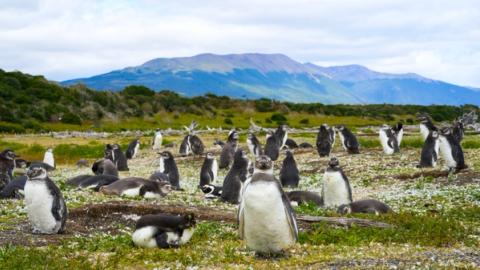
There is only one company allowed to enter Martillo Island and only a handful of people allowed on to the island per day, so if you want to have this experience you need to book it in advance.
Ushuaia sits on the southern coast of Tierra del Fuego, surrounded by mountains and the waters of the Beagle Channel. It’s often marketed as the world's southernmost city and has a very different atmosphere from the hiking towns further north. It’s much bigger with a working harbour, colourful buildings, seafood restaurants and a sense of being a long way from anywhere else.


If going somewhere simply because it’s the southernmost city doesn’t appeal to you, I can say that there are plenty of other things to do here as well. One of the best things is to go hiking in Tierra del Fuego National Park or take a boat tour along the Beagle channel. My favourite hike in the area is to Laguna Esmeralda, but there are plenty of both long and short hikes to explore here.

I personally use SafetyWing and highly recommend it for every kind of trip. Check their prices & plans here.
Patagonia has a long history of sheep farming and rural life, and staying at an estancia is a way to experience a different side of the region. These working ranches are scattered across the Patagonian steppe and offer an insight into the landscape and traditions that have shaped life here for generations.
Depending on the estancia, you might go horseback riding, learn about sheep farming, walk across the surrounding land or enjoy a traditional Patagonian lamb barbecue. Some properties offer simple rural accommodation, while others have more comfortable rooms and organised experiences for visitors.
You don't need to stay for several nights to enjoy the experience. A day visit or one night at a ranch can be enough to add something different to your itinerary, especially if you're travelling between destinations by road.
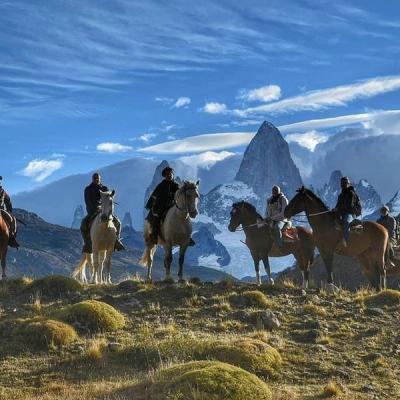
If you're looking for a truly unforgettable stay it doesn't get much more special than this. The luxury estancia is surrounded by mountains, forests, rivers, and incredible views of Mount Fitz Roy. Rather than simply booking a hotel, you're booking an authentic Patagonian experience.
Check prices and availability
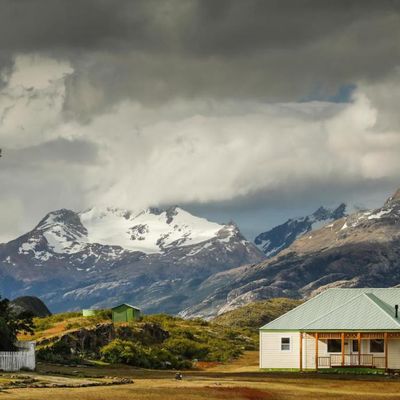
This estancia is located inside Los Glaciares National Park, so your stay starts with a boat journey to get there. You'll be surrounded by nature and have plenty of activities to do. This is the estancia I'd choose if I wanted to feel like I'd actually escaped into Patagonia.
Check prices and availability
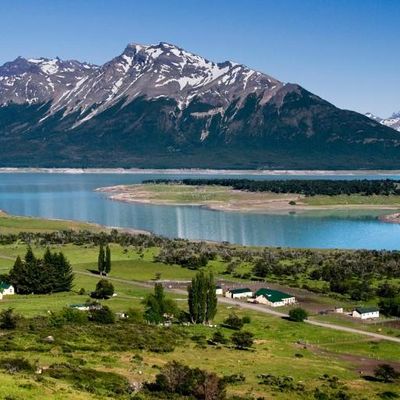
The property is located inside Los Glaciares National Park and is based around a historic Patagonian ranch house converted into a country lodge. They have plenty of activities to choose from like horseback riding and fishing. This is the one I'd choose for a more traditional estancia experience.
Check prices and availability
Every now and again I'll send you my latest travel updates and guides.

For most travellers, the best time to visit Patagonia is during the southern hemisphere's spring and summer, from October to April. The main summer months, December to February, generally offer the best conditions for hiking and road trips, although they also bring more visitors and higher accommodation prices.
November and March can be excellent alternatives if you want to avoid some of the peak-season crowds. The weather is still changeable, and conditions vary between the Atlantic coast, the Andes and the far south, but these shoulder-season months can be a good compromise.
Winter, from June to August, brings snow and colder conditions. Some hiking trails and remote roads may be inaccessible, and transport options can be more limited, but winter is also a good time for skiing around Bariloche and other mountain resorts.
Patagonia is enormous, so the amount of time you need depends on which places you want to visit. You could spend weeks exploring the region and still only scratch the surface. Rather than trying to cover everything, choose a few destinations that fit together geographically.
Remember to allow time for travel between destinations. Some places that look close on a map require long bus journeys or border crossings, and bad weather can disrupt outdoor plans. A little extra flexibility can make a big difference.
The weather in Patagonia can change quickly, and strong winds are common, even during summer. Packing layers is much more useful than relying on one thick jacket, particularly if you're planning to hike.
Bring a waterproof and windproof outer layer, warm mid-layers, comfortable hiking trousers, sturdy footwear and a small daypack. Sunglasses, sunscreen and a reusable water bottle are also useful, as the weather can feel surprisingly intense at higher elevations and in exposed areas.
For multi-day hikes, check the requirements of your specific route before leaving, including camping or refuge reservations, food supplies and any equipment you need to carry.
And don't forget travel insurance! it's one of those things you hope you'll never need, but you'll be incredibly grateful to have if things doesn't go as planned. We personally use SafetyWing and I highly recommend them for every kind of trip.
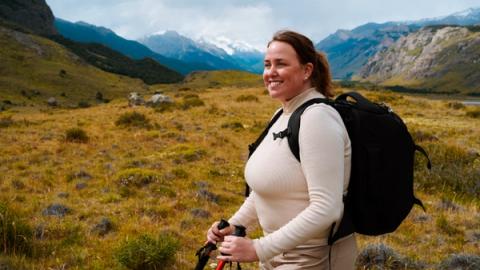
Patagonia is a destination where the journey matters just as much as the individual attractions. The Perito Moreno Glacier is unforgettable, the mountains around El Chaltén are a dream for hikers, and Ushuaia offers some amazing wild life experiences.
If it's your first trip, I'd focus on the classic southern route through El Calafate and El Chaltén. It gives you an excellent introduction to Patagonia's glaciers, mountains and hiking trails without trying to cover too much ground. If you have more time, add Ushuaia for the end-of-the-world atmosphere.
Most importantly, don't underestimate the distances or the weather. Leave yourself enough time to enjoy each place, and you'll get far more out of Patagonia than you would by rushing between every famous viewpoint.
Hopefully this guide has given you everything you need to plan where to visit in Argentinian Patagonia. To make planning the rest of your trip even easier, I've included all the resources I personally use when I travel.
Every recommendation is based on tools and services I genuinely use and would recommend to friends and family.
By using these links you help me continue to create free travel guides like this one.
Thank you for supporting Travels with Ingrid!
If you have any questions about travel in Argentina, or just want to follow along as I travel the world full time, don‘t hesitate to reach out to me on social media.
I would love to connect and help out!
-Ingrid