

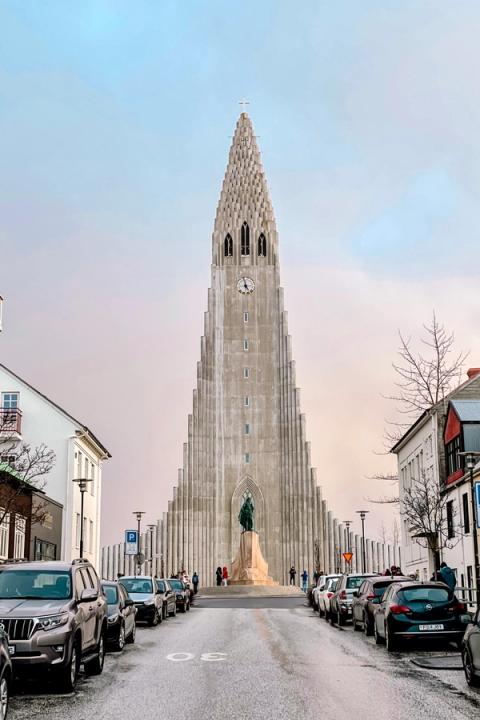
Iceland

I visited Iceland in February, and while I won't pretend it wasn't cold (it really was!), I absolutely loved experiencing the country during winter. One of the highlights was exploring the incredible natural ice caves inside a glacier. It's an experience that simply isn't possible during the warmer months, and for me, it was reason enough to visit Iceland in winter. It’s an experience I haven’t done anywhere else and it was absolutely magical!
But is winter actually the best time to visit Iceland? Or would you be better off planning your trip for summer?
The honest answer is that Iceland is a fantastic year-round destination, but the best time to visit depends on what you want to see and do. Winter offers ice caves, snowy landscapes and the chance to see the Northern Lights, while summer brings puffins, green landscapes, better hiking conditions and much longer days.
In this guide, I'll explain what you can expect from visiting Iceland during winter, what you might miss out on, and how the different seasons compare so you can decide when to plan your trip.
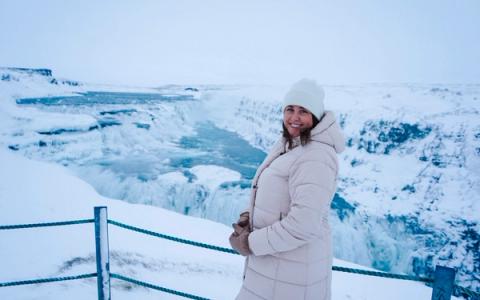

Browse the best hotels, guesthouses, and boutique stays here.
Yes! Iceland is absolutely worth visiting in winter, especially if you want to experience something you simply cannot do during the warmer months.
I visited in February, and although the temperatures were low and the weather could be challenging, I wouldn't have wanted to miss the experience. The biggest highlight was visiting the natural ice caves, where you can walk inside enormous glaciers and see various shades of blue ice, fascinating formations and frozen tunnels. Pictures honestly can’t do it justice, it was such an amazing experience!
Winter also brings the possibility of seeing the Northern Lights, beautiful snow-covered landscapes, frozen waterfalls and a completely different atmosphere compared to the busy summer months.


Check out this full day tour that takes you to all the top sights in one day!
Being from Norway, I’ve seen the Northern lights plenty of times before, but I was still hoping to get a glimpse of them while relaxing at a hot spring. Unfortunately, the cloud cover was too thick so we didn’t get to see it, but just the possibility makes it worth it in my opinion.
Of course, winter isn't perfect for everyone. The days are shorter, the weather can be unpredictable, and some roads and attractions may be inaccessible.
You also have to be more flexible with your itinerary, as snow, wind and icy conditions can affect travel plans. I at least know we spent more hours on the road than we would have done in summer due to the weather conditions. It was at times pretty slippery so we had do drive fairly slow to feel safe.
However, if you're happy to plan around the weather and don't mind wrapping up in warm clothes, winter can be one of the most memorable times to visit Iceland.
There are several reasons why I think winter deserves more attention when planning a trip to Iceland. Some experiences are seasonal, while others simply look completely different when the country is covered in snow.
One of the biggest reasons I recommend visiting Iceland in winter is the opportunity to explore its natural ice caves.
This was one of the highlights of my February trip and something I’d been looking forward to for a long time. Walking inside a glacier, surrounded by walls of ice in different shades of blue, is an experience unlike anything else.
The colours and formations are incredible, and it's difficult to describe just how surreal it feels to be standing inside a massive glacier. Some caves have beautiful blue ice ceilings, while others have interesting textures, ice formations and tunnels that almost look like something from another planet.
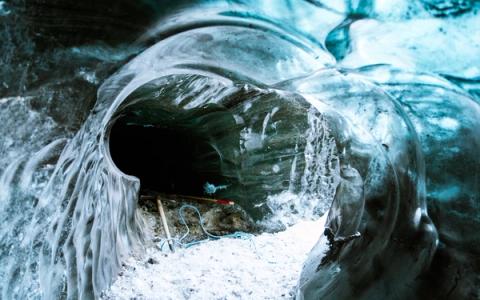
Natural ice caves form and change throughout the year as glaciers move and melt. That’s why the colder months offer the safest conditions for visiting as the melting and changing isn’t as rapid. That’s also why organised ice cave tours usually only operate between November and March, depending on the glacier and weather conditions.
You cannot simply visit an ice cave whenever you want. These are constantly changing natural formations, and access depends on conditions. It’s also not something you can do on your own. Just getting there required a specially made vehicle to get to the trek and then crampons to hike both towards and inside the glacier. It felt like quite the adventure!
So if exploring an ice cave is high on your Iceland bucket list, I would seriously consider planning your trip during winter.
This is the exact tour I did and loved. It leaves from Jökulsárlón, so you need to have a rental car to get there on your own. I also recommend spending a night in the area if you decide to visit this glacier because it's further from Reykjavik.
This is a smaller glacier, but you can still walk inside ice caves. The tour starts in Vik, but they also offer pickup in Reykjavik if you don't have your own rental car.
If you don't have your own car this is a great tour to check out. It takes you on a glacier hike as well as plenty of other spots along the coast in one fully packed day.


I personally use SafetyWing and highly recommend it for every kind of trip. Check their prices & plans here.
Another big reason to visit Iceland during winter is the chance to see the Northern Lights. Iceland is one of the most popular destinations in the world for seeing the Aurora Borealis, and winter offers the best conditions thanks to the long hours of darkness.
The Northern Lights are typically visible from September until April, provided the skies are clear and solar activity is strong enough. This means that visiting in winter gives you plenty of opportunities to try your luck. However, the weather in Iceland is very unpredictable, so seeing the Northern Lights is not a guarantee. I spent almost a week there in February and didn’t see it at all. However, I didn’t book a guided experience to go look for it, so that might have given us a bit more luck.
You don't necessarily need to book an expensive tour. If you're staying somewhere away from the light pollution of Reykjavík, you might be able to see them from your accommodation.
That’s what we tried and most hotels outside the city offer to wake you up in the night if the Northern lights appear. We took our chances on this, but it didn’t pan out unfortunately. However, joining a guided Northern Lights tour can be a good idea if you don't have a rental car or want someone experienced to find the best viewing conditions. You can even choose to see the Northern Lights from a Yacht if you want something a bit more unique.
Iceland is beautiful all year, but winter gives the landscapes a completely different appearance.
Waterfalls surrounded by snow, mountains covered in white, frozen lakes and black volcanic beaches create a dramatic contrast that makes the scenery even more impressive. Some of the most famous waterfalls, including Skógafoss and Seljalandsfoss, look particularly striking when surrounded by snow and ice.
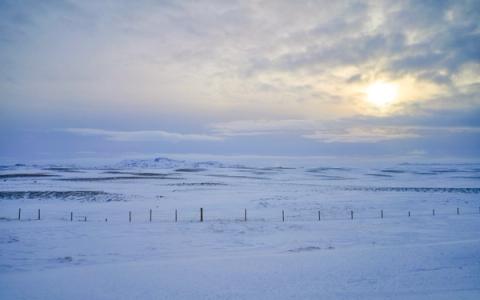
The famous black sand beaches along the South Coast also look incredible in winter, especially when the surrounding cliffs and mountains are covered in snow. You can drive to all these areas on your own if you get a rental car, but if you’re not comfortable driving in Icelands winter conditions you can check out this tour that takes you to all the best spots.
Of course, you won't necessarily find snow everywhere. Iceland has a relatively mild climate for its location, thanks to the Gulf Stream, and conditions can change quickly. You might experience rain, wind, sunshine and snow all within the same day. Still, if you enjoy dramatic winter scenery, Iceland certainly delivers.


Summer is Iceland's busiest travel season, particularly between June and August. Which means that popular places such as the Golden Circle, the South Coast and the famous waterfalls can get very crowded.
Winter generally brings fewer visitors, which can make certain attractions feel more peaceful. We still saw plenty of other travellers, especially around the most popular sights, but you may have a better chance of enjoying some places without the same summer crowds. We at least never thought the crowds were to much and could easily find spots to wander alone even at the most famous sights.
Accommodation and rental cars can also sometimes be cheaper outside the peak summer season, although prices vary depending on dates, availability and demand.
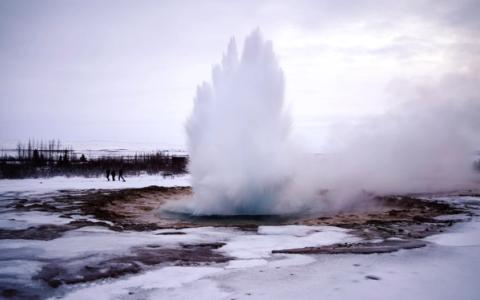
There is something special about experiencing Iceland in winter. After spending the day exploring snowy landscapes, visiting waterfalls or heading out on an ice cave tour, you can return to a cosy hotel, enjoy a warm meal, hot chocolate and relax while the weather does its thing outside.
Iceland also has some fantastic geothermal pools and hot springs, which are perfect to explore when the air is freezing. We only visited the Sky Lagoon, but it was such an amazing experience to relax in the hot water hoping to see some Northern Lights. Just make sure to bring a warm hat to cover your head because the winds can get pretty intense.


At the Sky lagoon you can choose to just come in and relax in the hot water or join in on a 7-step Spa ritual. We did the latter and loved it. We did this as our last activity in Iceland and it was the perfect way to slow down and relax after driving, hiking and exploring for a week.
The lagoon is located a bit outside the city centre, so if you don’t have your own car you can check out this tour that’s included transfer.
The famous Blue Lagoon is another option, but I personally never went there so I can’t give any personal tips.
Browse the highest-rated tours and experiences here.
While I loved my February trip, winter isn't necessarily the best choice for everyone. There are a few things worth considering before booking your flights.
One of the biggest disadvantages of visiting Iceland in winter is the limited daylight.
In December, you can expect only around four to five hours of daylight in Reykjavík. By February, this increases to approximately seven to nine hours, making it much easier to plan sightseeing days. This means you won't have as much time to explore as you would during summer, and you'll need to be more strategic about your itinerary.
Personally, I think February is a good compromise if you want a winter experience without dealing with the very shortest days of the year.
Every now and again I'll send you my latest travel updates and guides.

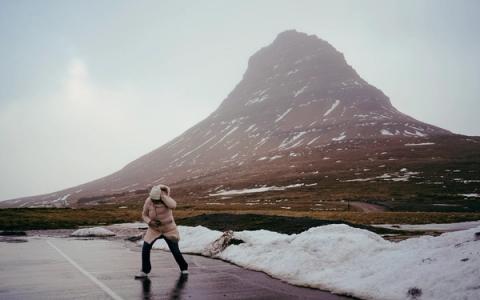
Iceland is famous for its unpredictable weather, and winter takes this to another level. We experienced very strong winds, icy roads and even saw a couple of cars that had driven off the road. Some roads may even close temporarily so some areas can become inaccessible.
So if you're planning a road trip, make sure you're comfortable driving in winter conditions. A suitable rental car and a flexible itinerary are especially important. You should also check road and weather conditions regularly through the official Icelandic websites before setting off.
And don't forget travel insurance! it's one of those things you hope you'll never need, but you'll be incredibly grateful to have if things doesn't go as planned. We personally use SafetyWing and I highly recommend them for every kind of trip.
Don't try to stick to a strict schedule if the weather isn't cooperating. Sometimes the safest and smartest decision is to change your plans. We added extra flexibility to our trip and stayed at various smaller cities around Iceland in stead of trying to drive for long stretches back and forth every day. I personally loved this as we got to see more of the cozy small towns in Iceland and we never rushed while driving. Being from Norway, I’m used to driving on icy and snowy roads, but even I thought it was nice to take some extra precautions here.

I always set up an eSIM before flying so I'm connected the moment I arrive. Compare the best plans from Airalo here.
Icelandic winter weather can be seriously cold, particularly when you factor in the wind.
You don't necessarily need an enormous suitcase full of winter clothing, but investing in the right layers makes a huge difference. I would recommend thermal base layers, a warm insulated jacket, waterproof trousers, gloves, a hat and proper waterproof hiking boots.
Waterproof clothing is particularly important because you’ll likely encounter rain, snow and plenty of wind during your trip. Even if you’re just going out for a short stop, make sure to bring enough warm clothes so you can properly enjoy the experience.
It might also be handy to have a set of clothes to change to in the car. We got soaked at one point and I’m so thankful we had an extra set of clothes in the car to dry up in.
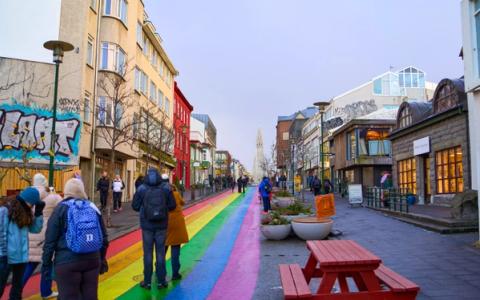
Find the highest rated tours and experiences here! Compare prices and book your activities in advance to get the most of your trip!
If I had to choose, I would say that February and June to August offer two very different but equally fantastic Iceland experiences.
I visited in February and loved it. The ice caves were the highlight of my trip, and I think experiencing Iceland covered in snow made the scenery even more impressive. If you have always wanted to explore a glacier from the inside or see the Northern Lights, winter is a fantastic choice.
However, if you want to see puffins, explore the Highlands, go hiking and enjoy long days exploring the country, I would choose summer. You'll have much more flexibility when it comes to planning your itinerary, and you'll be able to access more remote parts of the country.
Ultimately, I don't think Iceland is a destination you should save for just one particular season. It's one of those countries that offers something special throughout the year, and I would happily return in a different season to experience another side of it.
Yes! February is a great month to visit Iceland if you want to experience winter activities such as exploring natural ice caves, seeing snowy landscapes and potentially spotting the Northern Lights. The days are also noticeably longer than in December and January, giving you more time to explore.
Yes, winter is one of the best times to see the Northern Lights in Iceland. The long hours of darkness provide plenty of opportunities, but visibility depends on clear skies and solar activity. September through April is generally considered the Northern Lights season.
Natural ice caves are generally not accessible during summer because warmer temperatures and melting ice can make them unstable and dangerous. Most organised natural ice cave tours operate during the colder months, typically from November to March, although exact dates depend on conditions.
No, but you need to be prepared. Temperatures in Reykjavík during winter are often around -1°C to 4°C, although conditions can feel much colder because of strong winds. Temperatures can vary depending on where you are in the country, so proper winter clothing is essential.
Winter can be more affordable than the peak summer season, particularly when it comes to accommodation and rental cars. However, prices vary depending on the month, availability and demand. December around Christmas and New Year can also be expensive.
I would recommend at least five to seven days if you want to explore Reykjavík, visit the Golden Circle, see some of the South Coast and go on an ice cave tour. If you want to drive further around the country, allow more time and be prepared to adjust your plans depending on the weather.
It depends on your priorities. Winter is best for natural ice caves, snowy landscapes and the Northern Lights, while summer is better for puffins, hiking, exploring the Highlands and enjoying long daylight hours. Both seasons offer incredible experiences, so there isn't one universally better time to visit.
Hopefully this guide has given you everything you need to plan your winter escape to Iceland. To make planning the rest of your trip even easier, I've included all the resources I personally use when I travel.
Every recommendation is based on tools and services I genuinely use and would recommend to friends and family.
By using these links you help me continue to create free travel guides like this one.
Thank you for supporting Travels with Ingrid!
If you have any questions about travel in Iceland, or just want to follow along as I travel the world full time, don‘t hesitate to reach out to me on social media.
I would love to connect and help out!
-Ingrid