
I'm born and raised in Oslo, so this is a city I know particularly well. While I might be a little biased, I genuinely think Oslo is one of the nicest Scandinavian capitals to explore. The fact that it’s so compact makes it easy to walk almost everywhere, something most Norwegians do. It also has a lovely mix of city life, waterfront promenades, parks, cozy neighbourhoods and plenty of places to enjoy a good meal.
In this guide, I'll take you through the best areas to stay in Oslo, what each neighbourhood is like, what you can see and do nearby, and which hotels are worth considering. Whether you're visiting for a weekend, or using Oslo as the starting point for a longer trip around Norway, you'll find an area that suits your travel style below.

Quick answer: Where is the best area to stay in Oslo?
This is a comprehensive guide so if you don’t have time to read it all, you’ll find a short summary below.
If you're visiting Oslo for the first time, I recommend staying in Sentrum (the city centre). You'll be within walking distance of most of the main attractions, restaurants, shopping streets and public transport connections, so it’s an excellent base for a short visit.
Aker Brygge and Tjuvholmen are also great choices if you want a more stylish waterfront setting, while Grünerløkka is my recommendation if you prefer independent cafés, restaurants, vintage shops and a more local atmosphere. Frogner is ideal for a quieter, more elegant stay, with beautiful architecture and easy access to parks and museums. Finally, Bjørvika is a good option if you enjoy modern architecture, waterfront living and being close to the Opera House and MUNCH Museum.
There isn't necessarily one best neighbourhood for everyone, but Oslo is easy to navigate, so you don't have to stay right in the centre to enjoy the city.
Below you’ll see my three favourite hotels that I recommend checking out first. This is my personal favourite, and I highly recommend staying there if you want a relaxing, but practical stay in Oslo.
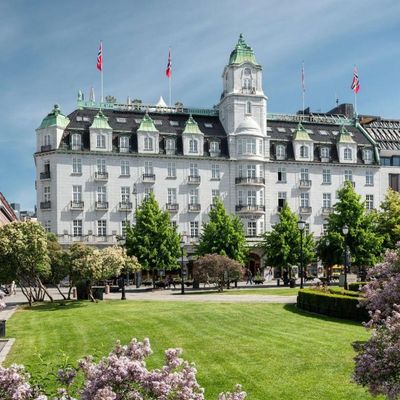
This is one of Oslo's most iconic hotels and has been part of the city's history since 1874. It sits directly on Karl Johans street and is particularly famous for hosting Nobel Peace Prize laureates after the annual ceremony. Expect classic interiors in a beautiful historic building.
Check prices and availability
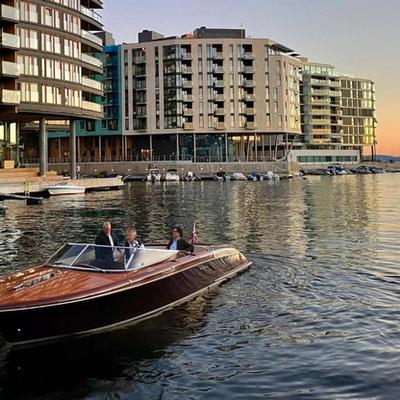
This is one of Oslo's most stylish luxury hotels and a fantastic choice if you want to treat yourself. Located right on Tjuvholmen, it has beautiful fjord views, contemporary interiors and an impressive collection of art throughout the property. There's also a spa, indoor pool and rooftop terrace.
Check prices and availability
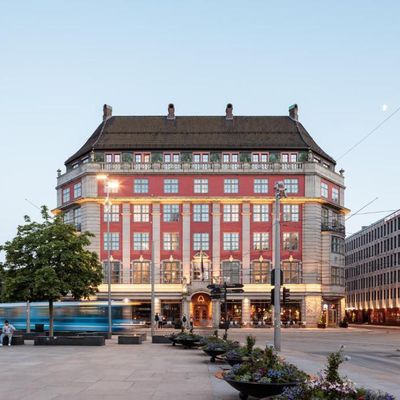
This is a beautiful hotel housed in the former headquarters of the Norwegian America Line. The historic building has been transformed into a stylish property with contemporary design details, restaurants and a popular jazz club. It's located right by Oslo Central Station.
Check prices and availability

Browse the highest-rated tours and experiences here.
Map of The Best Hotels in Oslo
Below you'll find a map where I've pinned my favourite hotels in Oslo to make it easier for you to navigate when you're looking for where you want to base yourself.
Sentrum – Best Area to Stay for First-Time Visitors
If it's your first time in Oslo, you really can't go wrong with staying in Sentrum. This is the heart of the city, stretching from Oslo Central Station and the shopping streets around Karl Johans street towards the Royal Palace, National Theatre and the waterfront. It's where you'll find many of Oslo's most recognisable sights, plenty of restaurants and cafés, and some of the best transport connections in the city.

One thing I always appreciate about Oslo is that the city centre is very walkable. You can easily spend a day exploring the main attractions without needing to use public transport at all. Walk along Karl Johans street, stop for a coffee, explore the side streets around the National Theatre and continue towards the harbour for a completely different atmosphere.
This is also a particularly convenient area if you're arriving by train from Oslo Airport or travelling onwards to other parts of Norway. Oslo Central Station is right here, and you'll have buses, trams, metro lines and trains within easy reach.
Best Hotels in Oslo City Centre
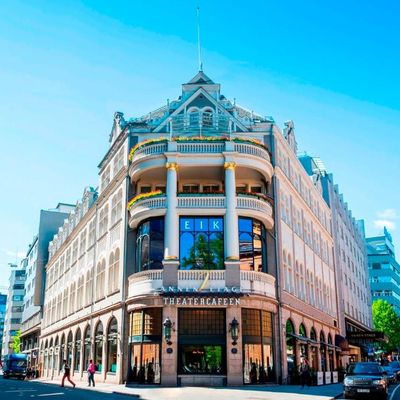
If you're looking for a luxurious stay in the heart of Oslo, this is one of the city's classic choices. It's located just off Karl Johans street, close to the National Theatre and within walking distance of pretty much everything in the city centre. The hotel has an elegant and perfect for a city break.
Check prices and availability
This is one of Oslo's most iconic hotels and has been part of the city's history since 1874. It sits directly on Karl Johans street and is particularly famous for hosting Nobel Peace Prize laureates after the annual ceremony. Expect classic interiors in a beautiful historic building.
Check prices and availability
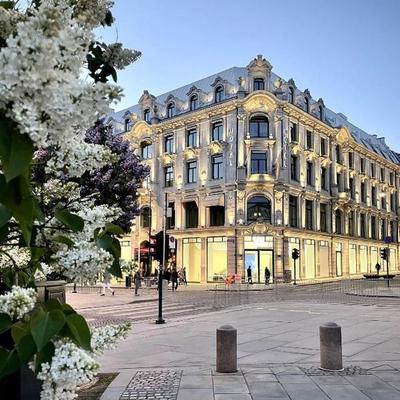
This is an excellent option if you want to be right in the middle of everything. The hotel is located on one of Oslo's most central streets, surrounded by restaurants, shops and cafés. It combines a more contemporary interior with a historic setting and is a particularly convenient choice for a short city break.
Check prices and availability
Aker Brygge and Tjuvholmen – Best for Waterfront Views and Restaurants
If you picture Oslo as a city with waterfront restaurants, boats, beautiful architecture and long summer evenings by the water, Aker Brygge and Tjuvholmen are probably the neighbourhoods you're thinking of. Located just west of the city centre, these two neighbouring areas are among the nicest places to spend time when the weather is good.
Aker Brygge was once an industrial shipyard, but it has been transformed into one of Oslo's most popular waterfront areas. Today, you'll find restaurants, cafés, shops and outdoor terraces lining the harbour. It's particularly lively during summer, when Norwegians come here to enjoy a meal or meet friends for a drink.

Continue along the waterfront and you'll reach an area called Tjuvholmen, a more modern and somewhat exclusive part of the city. Here’ll you’ll also find a couple of bathing spots in the summer months and the contemporary art museum Astrup Fearnley.
This is a great area if you want a slightly more relaxed and upscale atmosphere while still being close to the city centre. You can walk to Karl Johans street in around 15–20 minutes, and there are plenty of public transport options nearby.
Check out this full day walking tour that takes you to all the top sights in one day!
Best Hotels in Aker Brygge and Tjuvholmen
This is one of Oslo's most stylish luxury hotels and a fantastic choice if you want to treat yourself. Located right on Tjuvholmen, it has beautiful fjord views, contemporary interiors and an impressive collection of art throughout the property. There's also a spa, indoor pool and rooftop terrace.
Check prices and availability
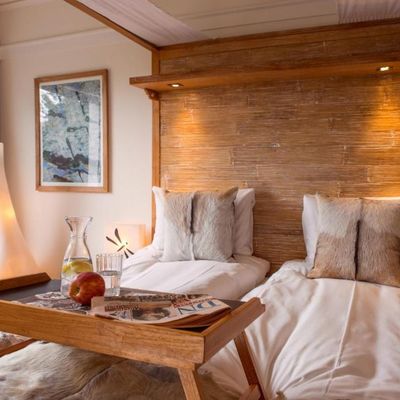
This is a lovely boutique-style hotel with a slightly different feel from the larger chain hotels in the city. Expect a mix of Scandinavian design and warmer, more bohemian details, with natural materials and cosy interiors. It's a good option if you want something a little more personal.
Check prices and availability
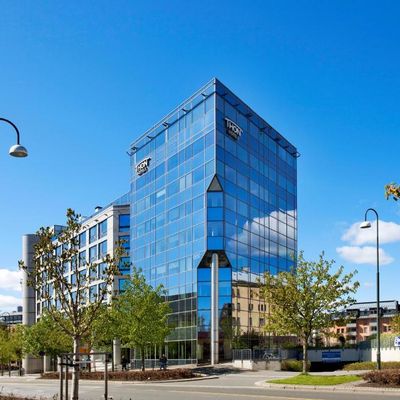
This is a convenient option just a short walk from Aker Brygge and Tjuvholmen. The hotel offers comfortable, modern rooms and puts you close to the waterfront, restaurants and the National Museum. It's a good option if you want a central location without paying luxury prices.
Check prices and availability
Bjørvika – Best for Modern Architecture and The New Waterfront
Bjørvika is one of the newer parts of Oslo and a great example of how much the city has changed over the past decades. What was once a fairly industrial harbour area has been transformed into a modern waterfront neighbourhood filled with unique architecture, cultural attractions, restaurants and new residential buildings.
The area is located just east of Oslo Central Station, making it extremely convenient for those with short time in the city. You’ll be very close to Oslo Opera House and the MUNCH Museum, as well as some of the best floating saunas in Oslo to name a few highlights.
The most recognisable part of Bjørvika is probably Barcode, a row of distinctive high-rise buildings that has completely changed Oslo's skyline. Some people love the architecture, others (like me) aren't quite as convinced, but it's certainly one of the most photographed parts of the city.

I personally use SafetyWing and highly recommend it for every kind of trip. Check their prices & plans here.
Best Hotels in Bjørvika
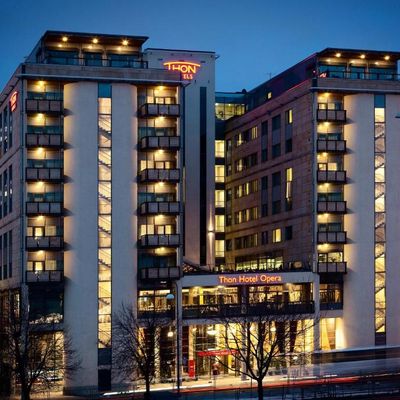
This is one of the most conveniently located hotels in Oslo, particularly if you're arriving by train. It's right next to Oslo Central Station and within walking distance of the Opera House, MUNCH Museum and Barcode. The hotel has modern rooms, a restaurant and a fitness centre.
Check prices and availability
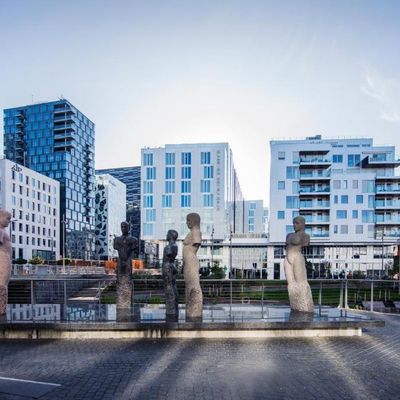
This is a stylish hotel in the heart of Bjørvika, surrounded by the area's modern architecture and cultural attractions. The hotel has contemporary interiors, a restaurant and an interesting focus on art and design. It's a particularly good option if you want to explore the Opera House and MUNCH Museum.
Check prices and availability
This is a beautiful hotel housed in the former headquarters of the Norwegian America Line. The historic building has been transformed into a stylish property with contemporary design details, restaurants and a popular jazz club. It's located right by Oslo Central Station.
Check prices and availability
Grünerløkka – Best for Cafés, Independent Shops and Local Atmosphere
This is the area I live in Oslo and it’s perfect if you want to experience a slightly different side of Oslo. This is one of the city's most popular areas for cafés, independent shops, vintage stores, restaurants and nightlife. It's a little less polished than the waterfront areas, but that's also part of its charm.
Grünerløkka is located northeast of the city centre and has a more relaxed, creative atmosphere, and it's a great place to spend an afternoon without necessarily having a particular plan.

The main streets to explore are Thorvald Meyers gate and Markveien, where you'll find plenty of places to eat, drink and shop. There are also several lovely parks in the area, including Birkelunden and Olaf Ryes plass, which are popular meeting spots when the weather is nice.
Personally, this is the kind of neighbourhood I'd recommend if you want to see more than just the typical tourist attractions. It's where you can get a better feel for everyday city life, find independent businesses and enjoy a slower afternoon exploring different streets. However, the downside is that you’re further away from the big attractions. So if you only have a day or two in Oslo and want to tick of all the sights, this might be less practical.
Every now and again I'll send you my latest travel updates and guides.

Best Hotels in and Around Grünerløkka
Grünerløkka has fewer traditional hotels than most places in Oslo, so I've included a few options in the surrounding area as well. These are all convenient for exploring the neighbourhood, even if some are just outside its boundaries.
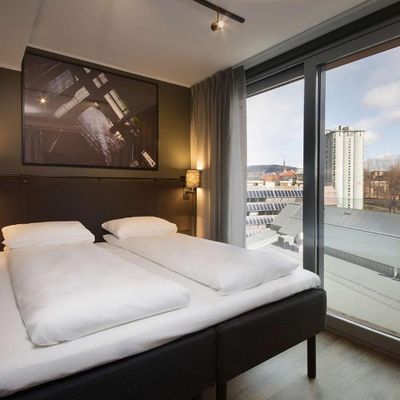
This is probably one of the best choices if you want to stay close to Grünerløkka. The hotel is located right next to Mathallen and the Akerselva river, making it easy to explore the area's food scene and independent shops. It has modern rooms and a convenient location.
Check prices and availability
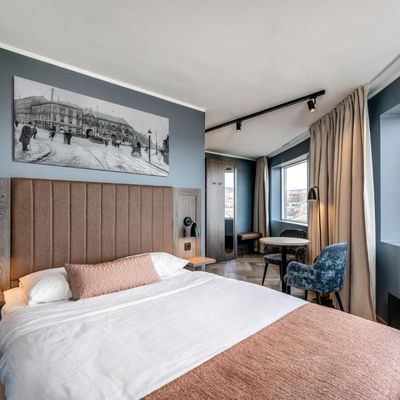
This is a more budget-friendly option on the eastern side of central Oslo, within walking distance of Grünerløkka. It's a practical choice if you want to keep accommodation costs down while still being close to the restaurants and nightlife around Grünerløkka.
Check prices and availability
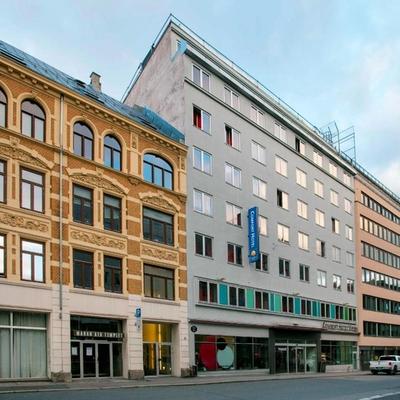
This is a good choice if you like a modern, uncomplicated place to stay without paying for unnecessary extras. It's located around Youngstorget, between the city centre and Grünerløkka, so you can easily walk to both areas. The rooms are relatively simple, but it's a convenient option.
Check prices and availability
Frogner and Majorstuen – Best for a Quieter & Elegant Neighbourhood
Frogner is one of Oslo's most beautiful residential neighbourhoods and a great choice if you prefer staying somewhere a little quieter while still being close to the main attractions. Located west of the city centre, this is an area characterised by beautiful old apartment buildings, leafy streets, independent shops and some lovely restaurants.
It's a more residential part of Oslo, and you'll notice a different pace of life compared with the busy streets around the central station. There are plenty of cafés and small restaurants, but the atmosphere is generally more relaxed, particularly in the evenings.

Majorstuen, which sits further west, is another good option. It's a little busier, with a shopping area around Bogstadveien and easy access to public transport. The metro station at Majorstuen is particularly useful if you want to explore further outside the city centre or head towards the forest for a hike.
I would recommend this area to couples, families and anyone who wants to experience a more local side of Oslo without being too far away from everything. It's also a lovely place to stay if you're visiting during summer, when the streets are green and the parks are full of people enjoying the sunshine.

I always set up an eSIM before flying so I'm connected the moment I arrive. Compare the best plans from Airalo here.
Best Hotels in Frogner and Majorstuen
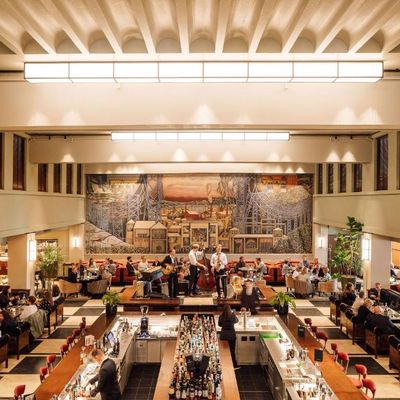
This is one of the most impressive hotels in Oslo and a fantastic choice if you want a luxurious stay. Housed in a beautifully restored Art Deco building, the hotel combines historic details with stylish interiors, several restaurants and excellent facilities.
Check prices and availability
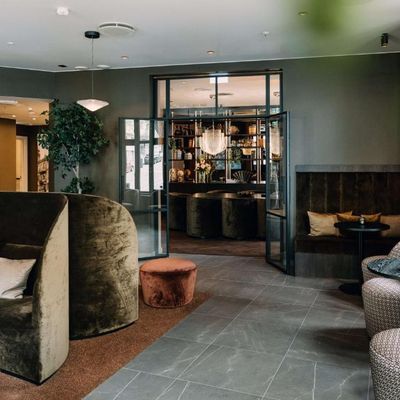
This is a charming boutique hotel in a quiet residential part of Frogner. It's a lovely alternative to the larger hotels in the city centre, with a more intimate atmosphere and stylish rooms. The location is particularly good if you want to explore Frogner on foot.
Check prices and availability
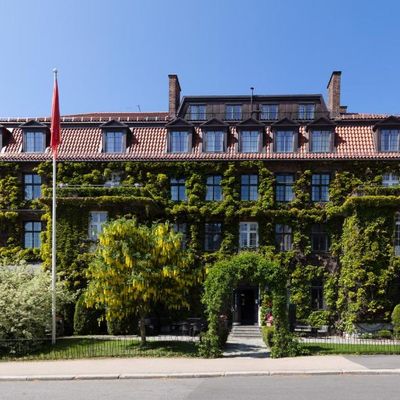
Home Hotel Gabelshus is a cosy hotel tucked away in a quiet residential part of Frogner. The property has a more traditional feel, with comfortable rooms and inviting communal spaces. It's a good option if you want to stay in a quieter neighbourhood and be within walking distance of restaurants.
Check prices and availability
How Do You Get Around in Oslo?
One of the best things about visiting Oslo is that you don't need to stay right next to every attraction. The city centre is fairly compact, and many of the main sights are within walking distance of each other.
Oslo also has an excellent public transport network consisting of metro trains (T-bane), trams and buses. You can easily travel between neighbourhoods, and the metro is particularly useful if you're staying around Oslo Central, Majorstuen or the National theatre as all metros stop here.
If you're arriving at Oslo Airport Gardermoen, you can take the airport express train (Flytoget) or a regular Vy train to Oslo Central Station. Both are convenient ways to reach the city. Flytoget runs more frequently and goes directly from the airport to the City Centre, but it’s a bit pricier. The Vy train takes the exact same route, just not as often. My recommendation is to download the Vy app before you go to check the times. This is also the app you’ll use for the metro, tram and buses when getting around Oslo.
For public transport around Oslo, you can also use the Ruter app to plan journeys and purchase tickets. If you're planning to use public transport frequently, it's worth comparing single tickets with a 24-hour or longer-period ticket.
One very important thing to know is that you need to have purchased a ticket before entering any kind of transportation. Everything is done in the app and there are regular controls, especially in the city centre, and if you can’t show a ticket you’ll get a hefty fine of around 1200NOK (150USD).
Is Oslo Expensive to Stay in?
Oslo isn't a particularly cheap city, and accommodation is often one of the biggest expenses when visiting Norway in general. Hotel prices can vary considerably depending on the season, day of the week and whether there are major events happening in the city.
Summer is generally a popular time to visit, particularly June, July and August, when the weather is at its best. Christmas is another popular period, especially if you want to experience the festive atmosphere and Christmas markets.
Find the highest rated tours and experiences here! Compare prices and book your activities in advance to get the most of your trip!
Where Can I Stay in Oslo on a Tight Budget?
If you're travelling on a tighter budget, I would look at Citybox, Anker Hotel or Comfort Hotel Xpress. You can also consider staying in an apartment with a kitchen, which can help you save money on food, because eating out in Norway is very expensive and it’s not something even Norwegians do regularly.
My advice is to book accommodation well in advance if you already know your travel dates. Oslo isn't a destination where I'd necessarily wait until the last minute to find a good hotel deal.
Final Thoughts: Where Would I stay in Oslo?
If I were visiting Oslo for the first time, I'd probably choose Sentrum. It’s simply the most convenient, especially if you only have two or three days to explore the city.
If you've visited Oslo before, I'd definitely consider Frogner or Grünerløkka. Both are lovely neighbourhoods to explore, with plenty of cafés, restaurants and independent shops, and it gives you a different perspective on the city.
Ultimately, you can't go too far wrong with any of these areas. Oslo is a city that is easy to explore, and I'd rather choose a hotel I really like in a slightly different neighbourhood than pay considerably more just to be right in the middle of the city.
Plan Your Trip to Oslo
Hopefully this guide has given you everything you need to plan where to stay in Oslo. To make planning the rest of your trip even easier, I've included all the resources I personally use when I travel.


Every recommendation is based on tools and services I genuinely use and would recommend to friends and family.
By using these links you help me continue to create free travel guides like this one.
Thank you for supporting Travels with Ingrid!
If you have any questions about travel in Norway, or just want to follow along as I travel the world full time, don‘t hesitate to reach out to me on social media.
I would love to connect and help out!
-Ingrid